Maryam Nawaz 5000 Eidi Scheme 2026 Full Guide and Online Registration Portal

March 17, 2026 by Pmrrp Maryam Nawaz 5000 Eidi Scheme The Maryam Nawaz 5000 Eidi Scheme 2026 is a major relief initiative for Punjab residents, offering Rs 5000 per eligible individual before Eid. This guide explains everything you need, including eligibility, required documents, and the complete online registration method. Anyone aged 12 or above with a valid CNIC or B Form, active mobile number, and Easypaisa or JazzCash account can apply. Registration is fully online, free, and simple to complete. Payments will be transferred directly to digital wallets after verification. Apply early, avoid scams, and secure your Eidi support to make your Eid celebrations easier and stress free. Quick Info Table about Eidi Scheme TEXT ALL DETAILS ON 8070 Detail Information Program Name Maryam Nawaz 5000 Eidi Scheme 2026 Payment Amount Rs 5000 per person Area Punjab Registration Online Payment Method Easypaisa or JazzCash Eligibility Age 12 years and above Fee Completely Free What is Maryam Nawaz 5000 Eidi Scheme 2026 This scheme is a special Eid relief initiative launched for the people of Punjab. Unlike many previous programs, this one focuses on individual support, not just families. Every eligible person will receive Rs 5000 directly in their mobile wallet. This means a household with multiple eligible members can receive multiple payments. That is why this scheme is getting a lot of attention across the province. The main goal is simple. Help people manage Eid expenses without stress and ensure no one feels left out during the celebrations. Breaking Update for 2026 Registration for the scheme has officially opened. Discover more Check Prime Minister announcements Web Portal Authorities have made the process fully digital to avoid rush and corruption. Payments are expected to start just before Eid, so those who register early will have better chances of timely payment. There is also a strict warning from officials. No agent or third party is allowed to charge money for registration. If someone asks for a fee or OTP, it is a scam. Who Can Apply for the Eidi Scheme Not everyone will qualify, but the criteria have been kept simple to include maximum people. You are eligible if This wide eligibility means students, young individuals, and adults can all benefit from the scheme. Required Documents for Registration of Eidi Scheme Before starting your registration, make sure you have the correct documents ready. For adults For teenagers Having correct documents ensures your application is processed without delays. How to Register Online for 5000 Eidi Scheme PUNJAB PORTAL The government has kept the registration process very simple so everyone can apply without confusion. Federal government schemes Follow these steps Text following details on 8070 Once submitted, your data will be verified through official systems. Payment Method and Alerts One of the best features of this scheme is the digital payment system. This method ensures transparency and saves time for beneficiaries. Real Life Impact For many families, Rs 5000 may seem like a small amount. But in reality, it can cover essential Eid needs like groceries, clothes for children, or small gifts. In low income households, this support can make a big difference. It brings relief, happiness, and a sense of inclusion during Eid. That emotional value matters just as much as the financial help. Important Tips to Stay Safe While applying, keep these points in mind Staying careful will protect you from fraud and ensure your payment reaches you safely. Checks Final Thoughts The Maryam Nawaz 5000 Eidi Scheme 2026 is a timely initiative that reflects real ground needs. With simple registration, direct payments, and wide eligibility, it offers genuine support to the people of Punjab. If you or your family members qualify, do not delay your registration. This small step can make your Eid celebrations more comfortable and joyful. FAQs What is the payment amount in this schemeEach eligible person will receive Rs 5000. Is the registration freeYes it is completely free. Discover more Identity theft protection Rice and pulses wholesalers Job search assistance Can teenagers applyYes individuals aged 12 and above can apply. How will I receive the paymentPayment will be sent to your Easypaisa or JazzCash account. When will payments be releasedPayments are expected before Eid after verification is completed.
Government Hospital Jobs in Saudi Arabia and Qatar: Apply Online Now!

Imagine working in a modern government hospital, earning a tax-free salary, receiving free accommodation, and building an international medical career. For many healthcare professionals, this is no longer just a dream. Right now, government hospitals in Saudi Arabia and Qatar are actively hiring international medical staff, and thousands of positions are expected to open in 2026. Doctors, nurses, pharmacists, lab technicians, and other healthcare workers are in high demand as both countries continue expanding their healthcare systems. But here’s the catch: many applicants miss these opportunities simply because they don’t know where to apply or how the hiring process works. In this guide, you’ll learn how to apply for government hospital jobs in Saudi Arabia and Qatar, the benefits offered, eligibility requirements, and the steps to submit your application online. Why Healthcare Workers Are Moving to Saudi Arabia and Qatar Healthcare professionals from around the world are applying for jobs in the Gulf region—and for good reason. Both Saudi Arabia and Qatar are investing billions of dollars into their healthcare infrastructure, opening new hospitals, expanding medical cities, and recruiting international talent. Some of the key reasons why these jobs are so attractive include: Many healthcare professionals report that working in the Gulf allows them to save significantly more money compared to local jobs in their home countries. Most In-Demand Government Hospital Jobs Government hospitals in Saudi Arabia and Qatar are hiring across multiple medical fields. Here are some of the most in-demand positions right now: Doctors and Specialists Hospitals are actively recruiting: Specialists with international certifications or experience often receive the highest salary packages. Nurses Nurses are among the most demanded healthcare professionals in the Gulf region. Popular roles include: Many hospitals also provide free housing and transportation for nursing staff. Allied Health Professionals Government hospitals also hire professionals in support roles such as: These roles are essential to hospital operations and often offer excellent career growth opportunities. Salary Expectations in Saudi Arabia and Qatar One of the biggest reasons healthcare professionals apply for these jobs is the attractive salary packages. While salaries vary depending on experience and specialization, here is an approximate range: Job Role Monthly Salary Doctors / Specialists $4,000 – $12,000 Registered Nurses $2,000 – $5,000 Pharmacists $3,000 – $6,000 Lab Technologists $2,500 – $4,500 Physiotherapists $3,000 – $5,000 In addition to salaries, employees often receive: Because salaries are typically tax-free, many workers can save a large portion of their income. Benefits of Working in Government Hospitals Government hospitals in Saudi Arabia and Qatar are known for offering stable employment and excellent working conditions. Some of the major benefits include: 1. Tax-Free Income Unlike many countries, salaries in the Gulf region are usually not subject to personal income tax. 2. Modern Medical Facilities Hospitals in both countries are equipped with state-of-the-art medical technology and international healthcare standards. 3. Career Growth Opportunities Healthcare workers gain international experience, which can open doors to future opportunities in other countries. 4. Safe and Professional Work Environment Government hospitals follow strict healthcare regulations and professional standards. Who Can Apply for These Jobs? Healthcare professionals from many countries can apply for government hospital jobs in the Gulf. Typical requirements include: For some positions, applicants may also need to pass licensing exams or credential verification. How to Apply for Government Hospital Jobs Online Applying for these jobs is easier than many people think. Most hospitals now accept online applications. Here is the typical process: Step 1: Prepare Your Documents Before applying, make sure you have: Step 2: Apply Through Official Portals Government hospitals usually post job openings through: Always verify that the platform is legitimate and authorized. Step 3: Attend Online Interviews Many employers conduct virtual interviews with international candidates. This may include: Step 4: Complete Licensing and Visa Process Once selected, the hospital will guide you through: Tips to Increase Your Chances of Getting Selected Because these jobs are highly competitive, it helps to prepare properly. Here are some helpful tips: Candidates with specialized skills and strong clinical experience often get priority. Common Mistakes Applicants Should Avoid Many applicants lose opportunities because of small mistakes. Avoid these common errors: Always confirm job postings through trusted and official sources. Why 2026 Could Be the Best Time to Apply Healthcare demand in the Gulf region is growing rapidly. Both Saudi Arabia and Qatar are expanding healthcare services due to: This means thousands of healthcare jobs may become available over the next few years. Professionals who apply early and prepare their documents properly may have a much better chance of securing these opportunities. Frequently Asked Questions (FAQs) Are government hospital jobs in Saudi Arabia and Qatar legitimate? Yes, government hospitals regularly hire international healthcare professionals through official recruitment channels. Do hospitals provide accommodation? Many hospitals offer free or subsidized housing, especially for nurses and medical staff. Is experience required? Most positions require at least 1–3 years of relevant experience, though some entry-level roles may accept fresh graduates. Can I bring my family? Some job contracts include family visa options, depending on the position and salary level. Final Thoughts Government hospital jobs in Saudi Arabia and Qatar offer an incredible opportunity for healthcare professionals looking to earn higher salaries, gain international experience, and build a strong medical career. With tax-free income, modern hospitals, and excellent benefits, it’s no surprise that thousands of medical professionals are applying every year. If you’re considering working abroad in 2026, now may be the perfect time to prepare your documents, update your resume, and start submitting applications online.

Overseas Medical Jobs 2026: Direct Recruitment for Doctors and Nurses via OEC

The global demand for healthcare professionals is rising faster than ever. Hospitals and medical institutions across the world are urgently looking for qualified doctors and nurses to fill critical shortages. Now, in 2026, a major opportunity has opened for medical professionals through direct overseas recruitment via the Overseas Employment Corporation (OEC). This initiative is helping skilled healthcare workers find secure, well-paying jobs abroad without the complicated recruitment process many applicants struggle with. If you are a doctor, nurse, or healthcare worker dreaming of working internationally, this opportunity could be the career breakthrough you’ve been waiting for. Why Overseas Medical Jobs Are Booming in 2026 Many countries are currently experiencing a serious shortage of healthcare staff due to aging populations, expanding healthcare systems, and increased demand for specialized medical services. Because of this, governments and hospitals are actively recruiting foreign professionals through official organizations like the Overseas Employment Corporation to ensure transparent and reliable hiring. For doctors and nurses, this means: These advantages make overseas healthcare jobs one of the most sought-after career paths in 2026. Countries Hiring Doctors and Nurses Through OEC The Overseas Employment Corporation regularly collaborates with hospitals and healthcare institutions worldwide to recruit medical professionals. Some of the top destinations currently recruiting include: These countries offer excellent healthcare infrastructure, tax-free salaries, and generous employee benefits for international medical staff. Many hospitals are looking for specialists such as: Salary Packages for Overseas Healthcare Jobs One of the biggest reasons professionals apply for international medical positions is the competitive salary packages. Typical salary ranges include: Doctors Nurses For many professionals, these salaries are several times higher than local healthcare jobs, making overseas employment financially life-changing. Who Can Apply for Overseas Medical Jobs in 2026? Eligibility requirements may vary depending on the country and hospital, but most employers require the following: Basic Requirements Some countries may also require passing a medical licensing exam before starting work. Step-by-Step Application Process via OEC Applying through the Overseas Employment Corporation is designed to be transparent and secure. Here’s how the process usually works: 1. Check Available Vacancies Visit the official recruitment listings to find healthcare jobs that match your qualifications. 2. Submit Your Application Upload documents such as: 3. Shortlisting Process Employers review applications and shortlist qualified candidates. 4. Online or In-Person Interviews Many hospitals conduct interviews via video calls. 5. Job Offer and Contract Signing Once selected, candidates receive an official job offer. 6. Visa Processing and Departure The recruitment organization assists with documentation and visa procedures. This process helps ensure safe and legitimate overseas employment. Benefits of Applying Through OEC Using the Overseas Employment Corporation offers several advantages over private recruitment agencies. Key Benefits ✔ Government-supported recruitment✔ Transparent hiring procedures✔ Reduced risk of job scams✔ Lower recruitment costs✔ Verified employers and hospitals For healthcare professionals planning to work abroad, applying through official channels significantly increases job security and credibility. Tips to Increase Your Chances of Getting Selected If you want to improve your chances of landing an overseas medical job, consider these tips: 1. Build a Strong CVHighlight your clinical experience, certifications, and specialized training. 2. Prepare for InterviewsHospitals often assess communication skills and medical knowledge. 3. Keep Documents ReadyEnsure your degree certificates, licenses, and references are up to date. 4. Gain Additional CertificationsCourses like ACLS, BLS, or specialized nursing certifications can boost your profile. These steps can significantly improve your chances of being selected by international employers. The Future of International Healthcare Careers The global healthcare industry is expected to continue expanding over the next decade, creating thousands of new opportunities for skilled professionals. Organizations like the Overseas Employment Corporation play a crucial role in connecting talent with hospitals that need qualified staff. For doctors and nurses willing to explore international opportunities, 2026 could be the perfect time to start a rewarding career abroad. FAQ: Overseas Medical Jobs 2026 Are overseas medical jobs safe? Yes, applying through official organizations like the Overseas Employment Corporation ensures verified job offers and secure recruitment. Do nurses need licensing exams? Some countries require licensing exams before working, while others allow nurses to complete them after arrival. Can fresh graduates apply? Most hospitals prefer candidates with at least 2 years of experience, though requirements vary. How long does the recruitment process take? The process usually takes 2–4 months, depending on the employer and visa procedures. ✅ Final Thoughts With global healthcare systems urgently seeking skilled professionals, overseas medical jobs in 2026 offer incredible opportunities for doctors and nurses. By applying through trusted channels like the Overseas Employment Corporation, candidates can access legitimate international job opportunities while building a successful and financially rewarding medical career abroad.

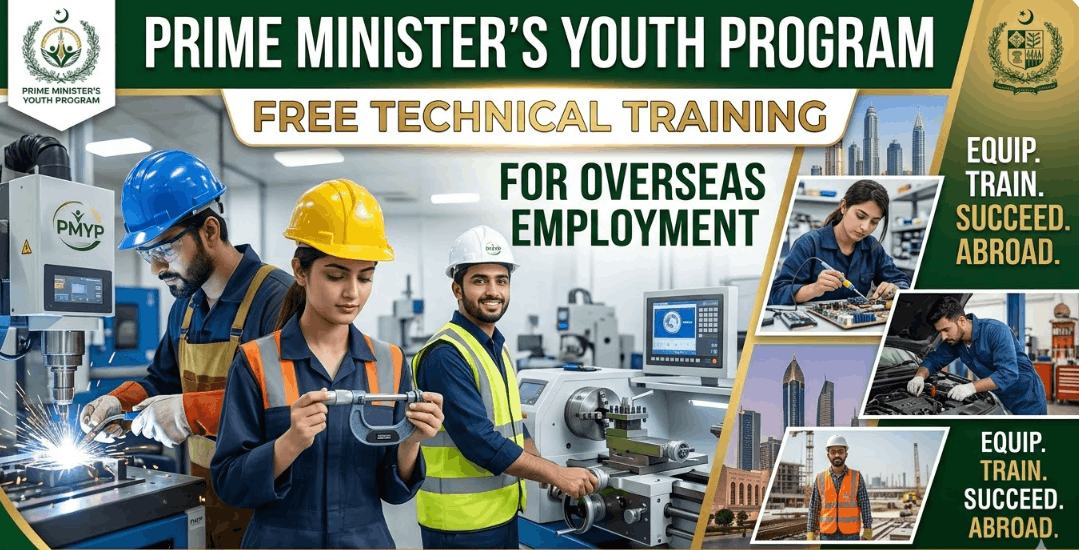
Prime Minister’s Youth Program: Free Technical Training for Overseas Employment

Thousands of young people dream of working abroad and building a better future for themselves and their families. But the biggest obstacle is often lack of proper skills and technical training. To solve this problem, the Prime Minister’s Youth Program has launched an initiative that offers free technical training specifically designed for overseas employment. This program is opening doors for thousands of Pakistani youth by providing international-standard skills, certifications, and job-ready training that can help them secure jobs in countries like the UAE, Saudi Arabia, Qatar, and other global markets. If you are looking for a real opportunity to work abroad, this program might be exactly what you need. What Is the Prime Minister’s Youth Program? The Prime Minister’s Youth Program (PMYP) is a government initiative in Pakistan designed to empower young people through education, skills development, entrepreneurship, and employment opportunities. One of the most impactful components of this initiative is free technical and vocational training aimed at preparing youth for international job markets. The program focuses on: By providing modern training, the government aims to increase skilled workforce exports and help youth achieve financial stability. Why Technical Training Is Important for Overseas Jobs Many countries are currently facing shortages of skilled workers, especially in technical fields. This creates massive opportunities for trained professionals from countries like Pakistan. However, employers abroad require workers who have: The training offered through the Prime Minister’s Youth Program helps bridge this gap and prepares youth for global employment requirements. Free Courses Offered Under the Program Participants can enroll in a variety of high-demand technical courses that are needed in international job markets. Some of the most popular training areas include: 1. Electrical Technician Training Learn installation, maintenance, and repair of electrical systems used in residential and commercial projects. 2. Plumbing and Pipe Fitting This skill is highly demanded in Gulf countries due to ongoing infrastructure development. 3. Welding and Fabrication Professional welding skills are required in construction, shipbuilding, and industrial projects worldwide. 4. HVAC Technician Heating, ventilation, and air conditioning specialists are among the most in-demand workers in the Middle East. 5. Construction and Masonry Training for large construction projects happening globally. 6. Hospitality and Hotel Management Skills With the growth of tourism worldwide, trained hospitality staff are increasingly required. These programs are designed with practical hands-on training, making participants ready for real-world work environments. Key Benefits of the Program Many young people are already benefiting from this initiative because it provides advantages that are usually expensive or difficult to access. Free Professional Training Participants receive technical education without paying tuition fees. Internationally Recognized Skills Training focuses on skills that are in demand in global job markets. Better Job Opportunities Abroad Graduates are better prepared to apply for overseas employment. Economic Empowerment Working abroad allows youth to earn higher salaries and support their families back home. National Economic Growth Skilled workers sending remittances contribute significantly to Pakistan’s economy. Who Can Apply for the Training? The program is designed for young individuals who want to develop technical skills and pursue employment opportunities abroad. Generally, applicants must: Some courses may have additional requirements depending on the specialization. How to Apply for the Prime Minister’s Youth Program Applying for the program is straightforward. Step 1: Visit the Official Program Portal Go to the official website of the Prime Minister’s Youth Program. Step 2: Create an Account Register using your basic personal information. Step 3: Choose a Training Course Select the technical course that matches your interest and career goals. Step 4: Submit the Application Complete the online form and submit the required documents. Step 5: Wait for Confirmation Selected candidates will receive confirmation regarding training centers and schedules. Why This Program Is a Huge Opportunity for Pakistani Youth Working abroad can completely transform a person’s life financially and professionally. With international demand for skilled workers increasing every year, training initiatives like the Prime Minister’s Youth Program provide a pathway for youth to compete globally. Instead of struggling with unemployment, young people can now gain valuable technical skills that open doors to international careers. Final Thoughts The Prime Minister’s Youth Program: Free Technical Training for Overseas Employment is a powerful opportunity for young individuals who want to build a stable future. By offering free skill development, professional training, and career pathways, the initiative is helping thousands of youth move toward global job opportunities and financial independence. For anyone dreaming of working abroad, gaining technical skills through this program could be the first step toward a successful international career.

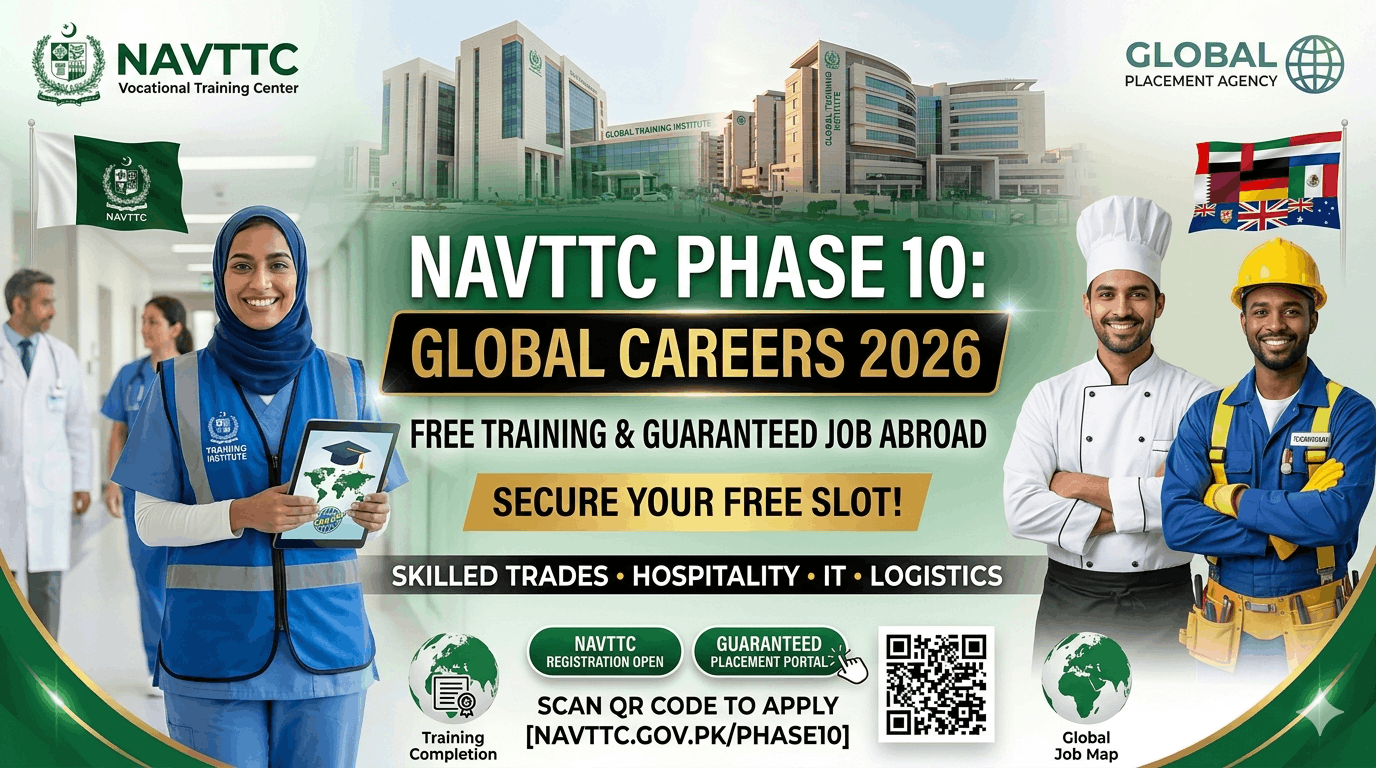
NAVTTC Phase 10: Get Free Training and a Guaranteed Job Abroad in 2026

If you’ve ever dreamed about working abroad, earning in dollars, and building a better future, the opportunity you’ve been waiting for might finally be here. The NAVTTC Phase 10 training program is now attracting massive attention across Pakistan because it offers free professional training and a pathway to international jobs in 2026. Thousands of young people are already applying — and many experts believe this could be one of the most valuable government training programs in years. But here’s the surprising part: many eligible candidates still don’t know how to apply or which courses lead to jobs abroad. In this guide, we’ll explain everything you need to know about NAVTTC Phase 10, including eligibility, courses, benefits, and how you can secure your spot before the deadline. What is NAVTTC Phase 10? The National Vocational & Technical Training Commission (NAVTTC) runs a national skills development initiative designed to train youth in high-demand technical skills. NAVTTC Phase 10 is the latest phase of this program and focuses heavily on international job markets, modern technology, and practical training. The program aims to: The best part?Most courses are completely free and may even include stipends during training. Why NAVTTC Phase 10 Is Getting So Much Attention There are many training programs available, but NAVTTC Phase 10 stands out for several reasons. 1. Free Professional Training Participants receive government-funded training, which means you don’t need to pay expensive course fees. Training centers across the country offer modern labs and experienced instructors. 2. Skills That Are in Global Demand Many of the courses are designed specifically for international job markets, including: Countries in the Middle East, Europe, and Asia are actively hiring trained workers in these fields. 3. Pathway to Jobs Abroad Some training tracks are linked with international employment opportunities. Graduates may receive assistance with: 4. Recognized Certifications Successful trainees receive recognized certificates, which can significantly increase your chances of employment both locally and internationally. Top Courses Offered in NAVTTC Phase 10 NAVTTC Phase 10 offers a wide range of courses designed for the modern job market. Some of the most popular programs include: Information Technology & Digital Skills These courses are extremely popular because they allow you to work remotely or internationally. Popular IT courses include: Many graduates use these skills to freelance online or secure tech jobs abroad. Technical and Engineering Skills Technical skills are always in demand globally. Examples include: Workers in these fields often find excellent opportunities in Gulf countries. Construction and Trade Skills The construction sector continues to hire skilled workers internationally. Courses may include: These skills are especially valuable in Saudi Arabia, UAE, and Qatar. Who Can Apply for NAVTTC Phase 10? The program is designed mainly for Pakistani youth looking to develop practical skills. Typical eligibility requirements include: Some advanced courses may require higher education or basic technical knowledge. Benefits of Joining NAVTTC Phase 10 Thousands of students apply every year because of the major benefits offered by the program. 1. Completely Free Training The government covers the training costs, making it accessible for students from all financial backgrounds. 2. Monthly Stipend (in Some Programs) Some participants may receive financial support during training, helping them focus on learning. 3. Practical Skill Development Courses focus on hands-on training, which employers prefer over theoretical knowledge. 4. Better Job Opportunities Graduates often gain access to: 5. Government-Recognized Certification Certificates can strengthen your resume and job applications. How to Apply for NAVTTC Phase 10 Applying for the program is simple, but many applicants make mistakes that delay their registration. Follow these steps carefully: Step 1: Visit the Official Registration Portal Go to the official NAVTTC training portal and look for Phase 10 registration. Step 2: Create Your Account You will need to: Step 3: Choose Your Preferred Course Select a course that matches: Step 4: Submit Required Documents Usually required documents include: Step 5: Wait for Confirmation After submission, your application will be reviewed by the training institute. If selected, you will receive confirmation and training schedule details. Important Tips to Increase Your Chances of Selection Competition can be high, especially for popular courses. Here are some tips to improve your chances: Early applicants often have better chances of getting their preferred course. Why 2026 Could Be a Huge Opportunity for Skilled Workers Global demand for skilled workers continues to grow rapidly. Many countries are facing labor shortages in technical fields, which means trained professionals can secure high-paying jobs abroad. Experts believe that skills training programs like NAVTTC Phase 10 will play a major role in preparing youth for international careers. Those who take advantage of these opportunities now could transform their career prospects within just a few years. Frequently Asked Questions (FAQs) Is NAVTTC Phase 10 really free? Yes, most courses under the program are fully funded by the government, making them free for eligible participants. Can NAVTTC training help me get a job abroad? While jobs are not always guaranteed, the program provides skills and certifications that are highly valued in international job markets. How long does the training last? Training duration usually ranges from 3 to 6 months, depending on the course. Do I need previous technical experience? Not always. Many courses are designed for beginners who want to learn new skills. Final Thoughts The NAVTTC Phase 10 program could be a life-changing opportunity for thousands of young people looking to build a better future. With free training, industry-relevant skills, and the possibility of international employment, it’s easy to see why so many applicants are rushing to apply. If you’re serious about improving your career prospects in 2026, this might be the perfect time to take advantage of this opportunity and develop the skills that employers around the world are looking for.

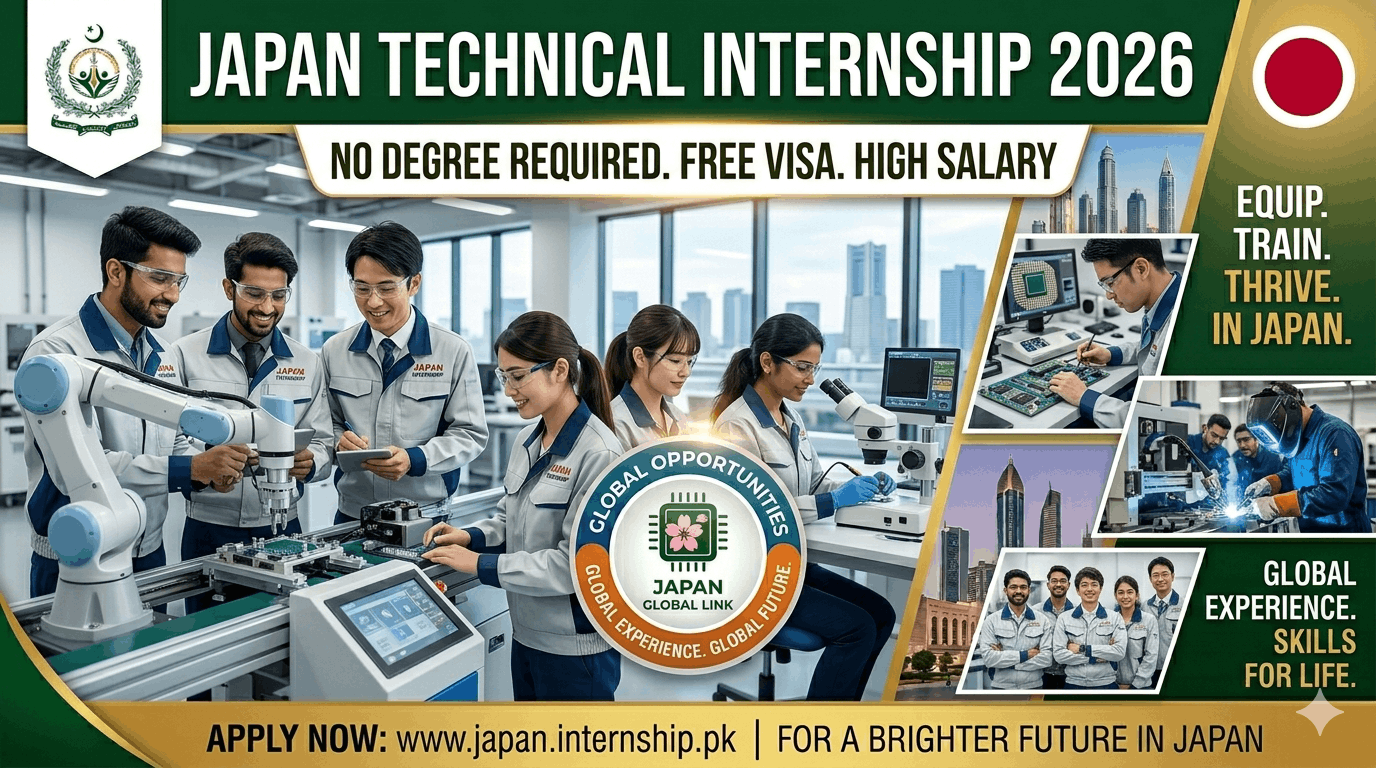
Japan Technical Internship 2026: No Degree Required, Free Visa, and High Salary

In Pakistan, the conversation about working abroad usually revolves around the same destinations: Saudi Arabia, UAE, Qatar. For decades, the Gulf has been the first option people think about when they want to earn better money. But quietly, another destination has started attracting attention. Japan. Yes — the same Japan known for bullet trains, robotics, and one of the strongest economies in the world. For many people, it sounds like a place only engineers, IT experts, or highly educated professionals can enter. That assumption used to be true. But things have changed. Through programs like the Japan Technical Intern Training Program (TITP), thousands of foreign workers are now being invited to gain work experience in Japanese industries. And here’s the surprising part: you don’t necessarily need a university degree to apply. For many Pakistanis with basic education and practical skills, the Japan Technical Internship 2026 opportunity is becoming one of the most talked-about overseas employment options. Let’s break down how this program works, who can apply, and why Japan is suddenly opening its doors to international workers. Why Japan Is Hiring Foreign Workers Japan has always been known for strict immigration policies. Unlike many Western countries, it historically avoided large-scale foreign labor migration. But demographics are forcing change. Japan has one of the oldest populations in the world. Millions of workers are retiring, and the younger workforce simply isn’t large enough to replace them. The country’s birth rate has been declining for decades. Factories, farms, and construction companies are now struggling to find workers. Businesses that once relied entirely on local labor are increasingly looking abroad. To address the shortage, Japan created programs designed to bring foreign workers temporarily into its industries. One of the most important of these programs is the Technical Intern Training Program. What the Japan Technical Internship Program Is The Japan Technical Internship Program was originally designed as a training initiative rather than a permanent migration pathway. The idea was simple. Foreign workers would come to Japan, gain technical skills and industrial experience, and eventually return to their home countries with new expertise. Participants typically work in Japanese companies while learning practical techniques used in advanced industries. Although the program focuses on training, participants still receive salaries comparable to Japanese workers in similar roles. For many applicants, that income is the main attraction. Why “No Degree Required” Is a Big Deal Most international work opportunities require university education. The Japan internship program is different. Many positions only require basic education such as matric or intermediate, along with physical fitness and willingness to learn. Japanese employers care more about: This is why many successful participants come from technical training institutes or vocational backgrounds rather than universities. For people who never had the chance to complete higher education, this program can feel like a rare opportunity. Industries That Accept Technical Interns Japan’s internship program covers a wide range of industries. Participants are placed in sectors that face the greatest labor shortages. Manufacturing Factories remain the largest employers. Interns may work in areas such as: Japanese manufacturing is famous for precision, so workers often receive structured training. Construction Construction projects across Japan require skilled and semi-skilled workers. Interns may assist with: This sector often provides strong earning potential due to overtime opportunities. Agriculture Rural farms in Japan frequently hire interns. Typical work may include: Many workers say agricultural placements offer a quieter lifestyle compared to factory environments. Food Processing Japan’s food industry also hires technical interns. Jobs may involve: This sector emphasizes strict quality control and cleanliness. Salary Expectations for Interns Salary is one of the main reasons the program attracts so much attention. Technical interns in Japan typically earn between 150,000 and 200,000 Japanese yen per month. Converted to Pakistani rupees, that can equal roughly 280,000 to 370,000 PKR per month, depending on exchange rates. Some workers earn additional income through overtime. However, applicants should remember that living expenses also exist. Costs such as food, transportation, and accommodation may be partially deducted from salary. Even after expenses, many workers manage to save significant amounts compared to local income levels in Pakistan. Is the Visa Really Free? Many advertisements claim the program offers a “free visa.” The reality is slightly more complicated. In legitimate recruitment programs, employers or supervising organizations may cover certain costs such as visa processing or documentation. However, applicants might still need to pay for: The key point is that workers should not be paying massive recruitment fees to middlemen. Programs that require huge upfront payments are often suspicious. The Japanese Language Requirement One challenge that surprises many applicants is the language barrier. Japan primarily operates in Japanese, even in workplaces. Most internship programs require participants to learn basic Japanese language skills before departure. This often includes learning: Some training centers provide language courses specifically designed for workers preparing for Japan. The good news is that many participants learn quickly once they start living in the country. Life in Japan as an Intern Living in Japan can feel like entering a completely different world. Cities are incredibly clean and organized. Public transportation runs with astonishing punctuality. Even small details — like recycling rules or workplace etiquette — are taken very seriously. For foreign workers, adjusting to this environment takes time. Japanese workplaces emphasize: At first, these expectations can feel strict. But many workers eventually appreciate the discipline and order. Accommodation and Daily Living Most interns live in shared company housing or dormitories arranged by their employer. These accommodations typically include: Living conditions vary depending on the company and location. Some workers are placed in large cities, while others live in smaller towns closer to farms or factories. Each environment offers different experiences. The Emotional Side of Working Abroad Moving to another country for work is not just a financial decision. It’s an emotional journey. Many interns spend three to five years away from family. They miss important events back home — weddings, festivals, everyday gatherings. But they also gain something valuable: independence, global exposure, and … Read more

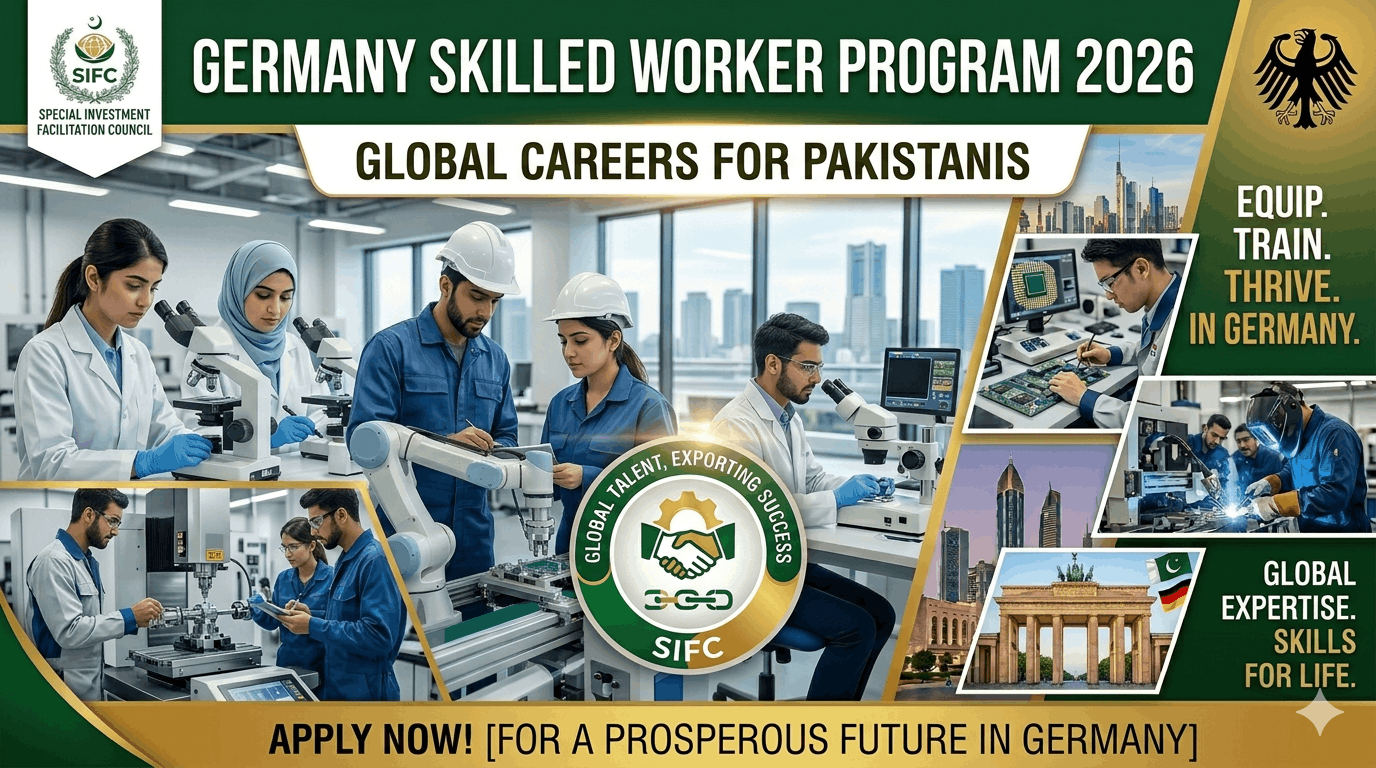
Move to Germany for Free! SIFC Launches Skilled Worker Program 2026 for Pakistanis

For many Pakistanis, the idea of moving to Europe feels like chasing a distant dream. Germany, in particular, sits high on that wish list. Strong economy, high salaries, world-class infrastructure — the country often symbolizes stability and opportunity. But there has always been a catch. Europe usually demands degrees, expensive visa processes, and complex immigration rules that discourage ordinary applicants. Most people assume you either need a university scholarship or a large bank balance to even consider moving there. Now something interesting is happening. Pakistan’s Special Investment Facilitation Council (SIFC) has been working on programs aimed at expanding overseas employment opportunities. Among the ideas gaining attention is a skilled worker pathway to Germany designed to help Pakistani professionals and trained workers access legal employment in Europe. Suddenly, the phrase “move to Germany for free” is popping up across social media. But is it really free? And what does the program actually involve? Let’s unpack the reality behind the headlines. Why Germany Is Looking for Foreign Workers Germany has a problem that many developed countries are quietly facing. There simply aren’t enough workers. The country has one of the oldest populations in Europe. Large numbers of workers are retiring every year, while the number of young people entering the workforce is shrinking. Industries ranging from healthcare to construction are struggling to fill positions. The German government estimates that hundreds of thousands of skilled workers will be needed annually to keep the economy running smoothly. Without foreign labor, many sectors could face serious shortages. That’s why Germany has gradually started opening immigration pathways for international workers — particularly from countries with large young populations like Pakistan. What the SIFC Skilled Worker Initiative Aims to Do The goal of Pakistan’s skilled worker initiatives is relatively straightforward. Instead of leaving migration entirely to private agents, the government wants to create structured pathways for Pakistani professionals and skilled workers to work abroad legally. Through coordination with foreign governments and employers, the idea is to simplify recruitment and reduce exploitation. Programs linked to these initiatives may include: By organizing the process through official channels, authorities hope to ensure workers receive legitimate contracts and fair treatment. What “Move to Germany for Free” Actually Means The phrase sounds exciting, but it’s important to interpret it carefully. No immigration program is completely free. However, some initiatives aim to reduce or eliminate the massive recruitment fees that workers often pay to private agents. In traditional migration routes, applicants sometimes spend hundreds of thousands of rupees on: Government-supported programs attempt to cut down those costs by managing the process directly or partnering with trusted employers. So when people say “move to Germany for free,” they usually mean without paying huge agent fees, not that the entire process costs nothing. Which Jobs Germany Needs the Most Germany’s labor shortages exist in several sectors. Many opportunities are expected to focus on fields where skilled workers are urgently needed. Healthcare Workers Germany’s aging population has created huge demand for healthcare professionals. Nurses, caregivers, and medical technicians are among the most sought-after workers. Hospitals and care homes often recruit internationally to fill these roles. Engineering and Technical Jobs Germany’s industrial economy relies heavily on skilled technicians and engineers. Workers with experience in mechanical systems, manufacturing, or electrical engineering often find strong demand. Technicians trained in areas such as machine maintenance, industrial automation, and technical repair are particularly valuable. Construction and Skilled Trades Infrastructure development continues across Germany. Trades such as plumbing, welding, carpentry, and electrical work remain in high demand. Vocational training in these fields can open doors to overseas employment. IT and Technology Germany’s technology sector has expanded rapidly in recent years. Software developers, cybersecurity specialists, and IT support professionals often find opportunities in German companies. However, these roles typically require advanced education or experience. Salary Expectations in Germany Compared to many countries, Germany offers relatively high wages and strong worker protections. Average salaries vary depending on profession and experience. Entry-level skilled workers may earn around 2,500 to 3,000 euros per month. Experienced professionals can earn significantly more. In Pakistani currency, even modest European salaries can translate to several hundred thousand rupees monthly. But income should always be considered alongside living costs. Germany’s cost of living — especially housing — can be higher than in Pakistan. Still, many workers manage to save substantial amounts once they settle into stable employment. The Language Challenge One of the biggest obstacles for Pakistani workers moving to Germany is language. Unlike some Gulf countries where English is widely used, Germany relies heavily on the German language in everyday life and workplaces. Many jobs require at least basic German proficiency, often measured at levels such as A2 or B1. This means applicants must invest time learning: Language training often becomes an essential part of overseas employment preparation. The Importance of Skill Certification Another major step in the process involves verifying qualifications. Germany has strict standards for professional certifications. Workers may need their diplomas, technical training, or vocational credentials evaluated to ensure they match German requirements. In some cases, applicants must complete additional training or exams before they can work in their profession. This system protects job quality but also requires patience from applicants. Life in Germany as a Pakistani Worker Moving to Germany is not only a professional transition but also a cultural one. New arrivals often encounter differences in work culture, social behavior, and everyday life. German workplaces value punctuality, efficiency, and clear communication. Rules and procedures are followed carefully. For some newcomers, adjusting to this structured environment can take time. However, many Pakistani workers eventually appreciate the stability and fairness of the system. Worker Rights and Protections One reason Germany attracts international workers is its strong labor protections. Employees generally receive benefits such as: These protections create a relatively secure environment for foreign workers. However, they also come with responsibilities such as tax obligations and compliance with labor regulations. The Role of Preparation Anyone seriously considering working in Germany should focus on preparation. Key steps often … Read more

Government of Pakistan to Send 800,000 Workers to Saudi Arabia & UAE in 2026 – Apply Now!

For decades, working abroad has been a dream for millions of Pakistanis. In villages, towns, and crowded city neighborhoods, you’ll often hear the same sentence repeated again and again: “Agar bahar job mil jaye, zindagi set ho jaye.” If a job abroad happens, life changes. And to be honest, many times it actually does. Remittances sent home by overseas Pakistanis have quietly become one of the strongest pillars of the country’s economy. Families build houses, start small businesses, and send children to school with money earned thousands of kilometers away. Now the Government of Pakistan is pushing a massive new overseas employment plan. According to recent announcements and policy discussions, the country aims to facilitate up to 800,000 Pakistani workers to Saudi Arabia and the UAE in 2026. Yes, eight hundred thousand. It sounds almost unreal at first. But once you understand the labor demand in the Gulf region and the scale of development projects underway there, the number starts to make sense. Let’s look at what this initiative actually means, how people can apply, and why Gulf countries are once again looking toward Pakistani workers. Why Saudi Arabia and UAE Need So Many Workers To understand this employment push, you need to look at what’s happening in the Gulf right now. Saudi Arabia is going through one of the biggest development phases in its modern history. Under Vision 2030, the country is investing billions of dollars into massive projects — futuristic cities, tourism destinations, industrial zones, and infrastructure networks. Projects like NEOM, large transportation corridors, and new tourism developments require enormous workforces. Meanwhile, the United Arab Emirates continues to expand its economy with construction, logistics, hospitality, and technology sectors growing rapidly. Both countries already employ millions of foreign workers. Yet demand continues to rise because local populations are relatively small compared to the scale of development taking place. And that’s where countries like Pakistan come in. Pakistani workers have long been known in the Gulf for their reliability, technical skills, and ability to work in challenging environments. Why Pakistan Is Encouraging Overseas Employment Pakistan faces a different kind of challenge. Every year, a large number of young people enter the workforce. Universities, colleges, and technical institutes produce graduates and skilled workers who all need jobs. But the domestic economy cannot always absorb this growing labor force. Overseas employment becomes an important solution. When Pakistani workers go abroad, three things happen: First, they earn higher wages compared to many local jobs. Second, they send remittances back home, which helps families financially. Third, those remittances support Pakistan’s national economy by increasing foreign currency inflows. In simple terms, overseas employment benefits both the worker and the country. That’s why initiatives like the 800,000 workers program are being actively discussed and promoted. What Kind of Jobs Will Be Available? Not all overseas jobs are the same. The demand in Saudi Arabia and the UAE covers a wide range of sectors. Most opportunities will likely fall into categories such as construction, technical trades, services, and logistics. Construction and Infrastructure Jobs Construction remains the largest sector for foreign workers in the Gulf. Workers may be hired as electricians, plumbers, welders, masons, steel fixers, painters, and equipment operators. Large infrastructure projects require thousands of workers at different skill levels, which is why this sector consistently recruits from countries like Pakistan, India, and Bangladesh. Technical and Skilled Jobs Workers with technical training often secure better salaries. Examples include: These jobs require training or certifications but often pay significantly more than basic labor positions. Service and Hospitality Jobs With tourism expanding rapidly in both Saudi Arabia and the UAE, demand for service workers has increased. Hotels, restaurants, and transportation companies require staff such as: These roles may not sound glamorous, but they offer steady income and long-term employment opportunities. Expected Salary Range for Workers Salary expectations depend heavily on the type of job and the worker’s experience. For entry-level labor positions, salaries often start between 1,000 and 1,500 Saudi riyals per month. In Pakistani rupees, that translates to roughly 75,000 to 110,000 rupees per month. Skilled workers such as electricians or technicians can earn 2,000 to 4,000 riyals or more, which may reach 150,000 to 300,000 rupees monthly. In many cases, employers also provide benefits including accommodation, transportation, and medical insurance. These benefits help workers save a larger portion of their earnings. CLICK HERE TO APPLY ! How to Apply for Overseas Jobs The most important thing job seekers need to understand is that legitimate overseas employment follows a proper process. Applications typically go through registered recruitment channels, including government institutions like the Overseas Employment Corporation (OEC) and licensed recruitment agencies. The general process usually includes: Once the visa is approved, the worker receives travel arrangements and employment contracts before departure. Applicants should always verify job offers and avoid dealing with unregistered agents who demand large advance payments. The Role of Skill Development One lesson from previous overseas employment programs is clear: skilled workers earn significantly more. Governments and training institutions increasingly encourage young people to learn technical trades before applying for jobs abroad. Skills such as welding, plumbing, electrical work, and machine operation are always in demand internationally. Workers who invest time in learning these skills often find better contracts and higher salaries overseas. Challenges Workers May Face Abroad Working abroad is not always easy. It involves adapting to a new culture, climate, and work environment. Many workers also face the emotional challenge of being away from their families for long periods. The Gulf region has extremely hot weather during the summer months, and some jobs can be physically demanding. However, many workers say the financial benefits outweigh these difficulties. A few years of disciplined work abroad can allow families to build homes, support education, and improve their long-term financial stability. Avoiding Fraud and Scams Unfortunately, overseas job opportunities often attract fraudulent agents. Some scammers promise guaranteed visas or high salaries in exchange for large fees. Applicants should be cautious and verify all job offers carefully. … Read more

Massive Employment Plan: 8 Lakh Jobs for Pakistanis in Gulf Countries via SIFC & OEC

For years, overseas jobs have been a lifeline for Pakistani families. Ask any household in a small town — chances are someone has a brother in Dubai, an uncle in Saudi Arabia, or a cousin driving a taxi in Qatar. Those remittances quietly pay school fees, build houses, and keep small businesses alive. But recently something much bigger has started taking shape. Not the usual “a few thousand visas” announcement. A massive employment plan aiming to send up to 8 lakh Pakistani workers to Gulf countries over the coming years through coordination between SIFC (Special Investment Facilitation Council) and OEC (Overseas Employment Corporation). If implemented properly, it could become one of the largest overseas employment drives in Pakistan’s history. And honestly, considering the country’s unemployment challenges, it might also be one of the most necessary. Let’s unpack what’s actually happening, what it means for job seekers, and why this initiative is getting so much attention. Why Pakistan Is Pushing Overseas Employment So Aggressively There’s no polite way to say it: Pakistan’s job market is under enormous pressure. Every year hundreds of thousands of young people graduate from colleges, technical institutes, and universities. Meanwhile, the domestic economy struggles to create enough new jobs. The result is predictable. Frustration grows. Skilled workers look abroad. Families encourage migration because overseas income often multiplies local earning potential. Remittances have already become one of Pakistan’s economic pillars. Billions of dollars flow back from overseas workers every year, stabilizing the country’s foreign exchange reserves. So from the government’s perspective, expanding overseas employment is not just about helping workers. It’s also about strengthening the national economy. That’s where the collaboration between SIFC and OEC comes into play. What Exactly Is the 8 Lakh Jobs Plan? The idea sounds ambitious, and frankly it is. The government aims to facilitate 800,000 overseas job placements for Pakistanis, particularly in Gulf Cooperation Council (GCC) countries. These include: Each of these countries already employs large numbers of Pakistani workers, but demand for labor continues to grow in sectors like construction, infrastructure, logistics, and hospitality. Through improved coordination with foreign employers, the government hopes to streamline recruitment and reduce exploitation by private agents. Instead of chaotic hiring systems, the plan emphasizes organized labor export through official channels. That’s where OEC becomes important. The Role of OEC in Overseas Employment Many Pakistanis have heard of OEC but don’t fully understand what it does. The Overseas Employment Corporation is a government body responsible for facilitating overseas job placements for Pakistani workers. Unlike private recruitment agents, OEC operates under official regulations and provides a more transparent process. Through OEC, workers can: For years, many workers relied on private agents because they believed government processes were slow or complicated. But programs like this new employment initiative aim to bring more workers into the official system, reducing the risk of scams and illegal migration. Why Gulf Countries Still Need Foreign Workers Some people wonder why Gulf countries continue to recruit foreign labor when they already host millions of workers. The answer lies in economics and demographics. Major development projects across the Gulf continue to demand enormous workforces. From futuristic cities in Saudi Arabia to infrastructure expansion in the UAE, construction and service sectors require constant manpower. Local populations often prefer professional or managerial roles, leaving many technical and labor-intensive positions open to foreign workers. Pakistani workers are often considered attractive candidates because they are known for: This reputation has helped Pakistan maintain strong labor links with Gulf employers. Types of Jobs Expected Under the Program While the phrase “8 lakh jobs” sounds impressive, it’s important to understand what kinds of jobs these actually are. They vary widely. Construction and Infrastructure This remains the largest sector. Workers may be employed as: Major infrastructure projects constantly require these skills. Hospitality and Tourism With tourism expanding rapidly in countries like Saudi Arabia and the UAE, demand for service workers is increasing. Jobs may include: While salaries vary, many workers find these jobs stable and accessible. Technical and Skilled Trades Workers with technical training often secure higher-paying roles. These can include: Skilled workers often receive better contracts and benefits. The Salary Reality: What Workers Actually Earn Let’s talk about the part everyone cares about. Salary. Wages in Gulf countries vary depending on skill level, experience, and employer. Typical ranges might look something like this: Unskilled labor jobs may start around 1,000 to 1,500 Saudi riyals per month, which converts to roughly 75,000 to 110,000 Pakistani rupees. Skilled trades can earn 2,000 to 4,000 riyals, equivalent to 150,000 to 300,000 rupees. Highly skilled technical workers may earn even more. In many cases employers provide: These benefits reduce living expenses and allow workers to send larger portions of their salary back home. Why Regulation Matters More Than Ever One major goal behind the employment plan is reducing the influence of exploitative recruitment agents. For decades, many workers paid enormous fees to middlemen promising overseas jobs. Some agents delivered legitimate placements. Others vanished with people’s money. Government-facilitated recruitment aims to make the system more transparent. Workers applying through official channels can verify: This reduces the chances of fraud. And that’s a big deal. Challenges the Program Could Face Ambitious plans sound great on paper. Execution is another story. Several challenges could affect the program’s success. First, coordination with foreign governments and employers must remain consistent. Second, workers need proper training before departure. Many Gulf employers now demand higher skill levels than in the past. Third, administrative delays could discourage applicants if the process becomes too slow. Without efficient management, even well-designed initiatives can struggle. Training and Skill Development Will Be Critical One lesson from previous overseas employment programs is clear. Training matters. Workers with specialized skills almost always secure better contracts and higher salaries. Recognizing this, many policymakers are emphasizing technical training programs to prepare workers for international markets. Skills like welding, electrical work, and mechanical repair remain in high demand worldwide. Investing in vocational education could significantly increase the success of overseas employment … Read more

High Salary Jobs in South Korea for Pakistanis: Earn 4 Lakh Monthly with Matric Education

There’s a strange pattern in Pakistan. Every few months, a new rumor spreads across WhatsApp groups and TikTok feeds: “South Korea jobs open… 4 lakh salary… matric pass apply now.” Most people scroll past it. They assume it’s another fake overseas job scam — the kind where some “agent” promises the moon and then disappears with your passport and savings. But here’s the uncomfortable truth: some of those posts are actually based on a real opportunity. South Korea has quietly become one of the highest-paying legal work destinations for Pakistani labor workers, even for people with minimal education. No university degree. No complicated professional experience. In many cases, a matric certificate is enough to get started. And yes, in Pakistani rupees, workers can earn close to 4 lakh per month. But before you get too excited, let’s slow down. Because the story behind these jobs is a lot more interesting — and a lot more complex — than those viral social media posts suggest. The Unlikely Dream: From Small Pakistani Towns to Korean Factories I once met a young man from Mardan who had just returned from South Korea after five years of factory work. Nothing flashy about him — simple clothes, quiet personality, no dramatic success story. But when he mentioned how much he was earning there, the entire room went silent. “Basic salary 1.8 million Korean won,” he said casually. At the time, that translated to roughly 350,000 to 400,000 Pakistani rupees per month depending on exchange rates. And that was before overtime. Suddenly the idea of “South Korea jobs for Pakistanis” didn’t sound like internet fantasy anymore. It sounded like a life-changing opportunity. Why South Korea Is Hiring Foreign Workers South Korea is one of the most technologically advanced economies in the world. Samsung, Hyundai, LG — massive companies that dominate global markets. But there’s a demographic problem quietly unfolding in the country. South Korea has one of the lowest birth rates on Earth. Younger generations prefer office jobs, tech careers, and city life. Very few locals want to work in physically demanding industries like manufacturing, agriculture, or fisheries. The result? A growing labor shortage in sectors that keep the economy running. Instead of relying on illegal immigration or exploitative labor systems, the Korean government created a structured program called the Employment Permit System (EPS). Through this system, countries like Pakistan send workers legally to Korea. And that’s where the opportunity begins. The Kind of Jobs Pakistanis Actually Get Let’s be clear about something right away. These are not office jobs. Nobody is flying to Seoul to sit behind a desk and sip coffee while answering emails. The jobs are mostly manual or technical labor. But they pay surprisingly well. Manufacturing Jobs Factories are the biggest employer under the Korea program. Workers operate machines, assemble parts, package products, and handle industrial processes. The factories often produce things like electronics, automobile parts, metal components, or plastic materials. It’s repetitive work, sometimes physically demanding, but extremely stable. And stability matters more than glamour when you’re sending money home. Agriculture Work Some Pakistani workers end up in rural Korean farms. Tasks might include: The hours can be long, especially during harvest season. But many workers say farm jobs are less stressful than factories because the environment is more relaxed. Fisheries and Seafood Processing Another sector few people talk about is fisheries. Workers may be involved in: It’s cold, messy work sometimes — but again, the pay can reach the same 4 lakh monthly range once overtime is included. How the 4 Lakh Salary Actually Works Now let’s talk numbers. Because the phrase “4 lakh salary” sounds almost unbelievable in Pakistan. The minimum wage in South Korea is regulated by law. For foreign workers, salaries generally start around 1.8 to 2.1 million Korean won per month. Converted to Pakistani rupees, that’s roughly 350,000 to 420,000 PKR, depending on currency rates. But the base salary is only part of the story. Overtime is extremely common in Korean factories. Many workers report earning additional income through: Some months they earn even more than 4 lakh. Of course, expenses exist too — food, transportation, personal spending. Still, compared to average salaries in Pakistan, the difference is dramatic. The Education Requirement (Why Matric Is Enough) One of the most surprising aspects of the Korea work program is how simple the education requirement is. In most cases, the minimum qualification is Matric (10th grade). Why so low? Because the jobs focus more on physical ability and discipline rather than academic knowledge. Employers care about things like: Not university degrees. That’s why workers from small towns and rural areas often succeed in Korea. Hard work matters more than formal education. The Korean Language Factor Here’s the catch most people underestimate. You must pass a Korean language test. The test is called EPS-TOPIK, and it measures basic Korean listening and reading skills. It’s not impossible — but it does require preparation. You’ll need to learn: Many applicants fail the test because they assume it’s easy. It’s not. But people who dedicate 2–3 months of serious study usually pass. The Process Most People Get Wrong Ask ten people in Pakistan how to apply for Korea jobs, and you’ll probably hear ten different answers. Some will mention agents. Others will talk about “visa consultants.” But the real process is surprisingly straightforward. Workers apply through Pakistan’s Overseas Employment Corporation (OEC). Applications open periodically, and candidates enter a selection process that includes: If selected by a Korean employer, the worker receives a contract and begins visa processing. The entire system is government-regulated. Which means something important: Agents are unnecessary. The Agent Problem in Pakistan Unfortunately, many people still fall into the same trap. An “agent” promises guaranteed Korea jobs for 8 to 10 lakh rupees. Desperate applicants sell land, borrow money, or empty family savings. Then the agent disappears. The sad reality? Most legitimate Korea workers never pay huge fees. The official costs are relatively small — mainly registration fees and … Read more